How Stress Can Trigger IBS Symptoms and Gut Health Problems
Introduction
Many people with IBS have noticed a common pattern: symptoms often exacerbate during stressful times. Whether it’s work pressure, lack of sleep, anxiety, or emotional stress, the gut reacts faster than we expect.
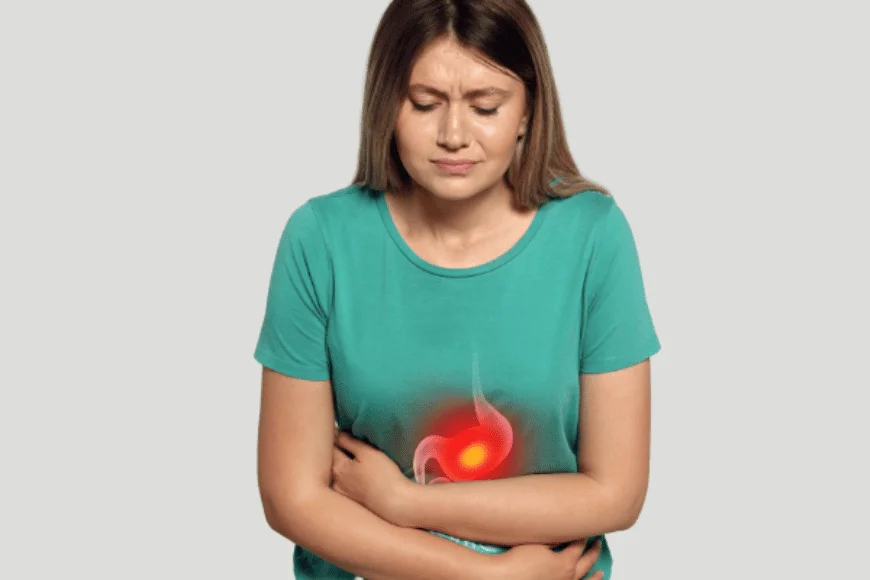
Maybe you’ve been there yourself. You may suddenly develop symptoms like bloating, stomach cramps, diarrhoea, or constipation just before a big meeting, or during a stressful week. Stress and digestion are very real and are closely related to what doctors call the gut-brain connection. According to IBS specialists, studies have found that stress can exacerbate IBS symptoms by affecting how the gut functions, how sensitive it is, and how it digests food.
What is IBS and Gut Health?
Many people suffer from a condition known as IBS or irritable bowel syndrome. It gives you bad stomach trouble that comes back. IBS does not permanently damage the intestines. It can be very hard in everyday life and affect your overall well-being.
Some common symptoms of IBS are:
- Abdominal Pain
- Feeling bloated, a lot of gas
- Diarrhoea or constipation;
- The feeling that your bowels have not been fully evacuated
- Digestive upset that occurs soon after feeling stressed or eating certain foods
How Stress Affects Digestion
Stress affects a whole lot more than your mood. Stress can activate your body’s “fight-or-flight” response, which may upset your digestion and bathroom habits. Stress, doctors say, can change how quickly food passes through your body, make your stomach more sensitive to certain foods, and even affect the healthy bacteria in your gut. This can cause symptoms such as bloating, stomach pain, diarrhoea, and constipation, often associated with IBS. If these problems occur frequently, getting IBS treatment in Mumbai can help you manage symptoms and improve your gut health.
Stress can also do these things to your body:
- Increase how sensitive your gut is
- Give you stomach cramps
- Affect how hungry you are and how well you digest food
- Make your IBS symptoms worse if you already have them
The Gut-Brain Connection Explained
The digestive system and brain are always talking to each other through nerves, hormones, and chemical signals. This communication system is known as the gut-brain axis.
Studies indicate that people with IBS often have a more sensitive digestive system – the gut reacts more strongly when stressed emotionally.
The reason is:
- Anxiety can lead to stomach upset
- Stress can exacerbate bloating or bowel changes.
Gut health and emotional health are very closely related.
Many patients are frustrated by the unpredictable nature of IBS symptoms. But the gut-brain connection explains why symptoms can flare up even without big changes in diet.
Lifestyle Tips for IBS Management
Managing IBS usually requires more than medicines alone. Lifestyle improvement and stress control play a major role in reducing flare-ups and improving gut health.
Helpful lifestyle changes include:
- Eating meals on time
- Avoiding excessive oily and processed foods
- Staying physically active
- Improving sleep quality
- Practicing stress management techniques like meditation or deep breathing
- Identifying personal food triggers
Many patients also notice improvement when they maintain a regular daily routine and reduce emotional stress levels.
Under the guidance of Dr. Harshad Joshi, patients receive personalized care focused on symptom control, digestive balance, and long-term IBS management.
When Should You See an IBS Specialist?
Digestive problems cannot be serious, but never ignore them when you are suffering from frequent IBS symptoms.
You should consult an IBS specialist if:
Symptoms continue for weeks or months
- Frequently experienced stomach pain
- Bloating impacts daily life
- Changes in bowel habits
- Stress is a regular symptom of digestive upset
An early diagnosis can eliminate other digestive conditions and provide treatment before the symptoms get worse.
If you are looking for IBS Treatment in Mumbai, opt for long-term digestive care rather than short-term symptom relief.
GERD treatment varies according to the severity of your symptoms. We ensure that your treatment plan is personalized.
These simple adjustments can have a significant impact:
● Avoiding trigger foods
● Eating smaller meals
● Not lying down straight after meals
● Maintaining a healthy weight
The Importance of Treating IBS Early
Living with IBS can be both physically and emotionally draining, especially when stress consistently triggers symptoms. However, with the right treatment, lifestyle advice, and stress management approach, many patients can successfully control symptoms and improve their quality of life.
Under the expert care of Dr. Harshad Joshi in Mumbai, patients receive complete digestive care to identify triggers, improve gut health, and help patients feel comfortable and confident again.