Gallstones - Warning Signs Most People Ignore Until It's Too Late
Introduction
Most people never think about their gallbladder until it demands attention in the most painful way possible. Gallstones are one of the most common yet misdiagnosed digestive conditions worldwide, silently developing over months or even years before causing any noticeable discomfort.
According to Dr. Shankar Zanwar, a leading Gastroenterologist, gallstone cases are rising at an alarming rate, and the primary reason patients seek late treatment is simply a lack of awareness about early warning signs. In a city like Mumbai, where fast-paced lifestyles and high-fat diets are increasingly common, understanding gallstone symptoms has never been more important.
So what exactly should you watch out for? Here are the warning signs most people ignore until it’s too late.
What Are Gallstones?
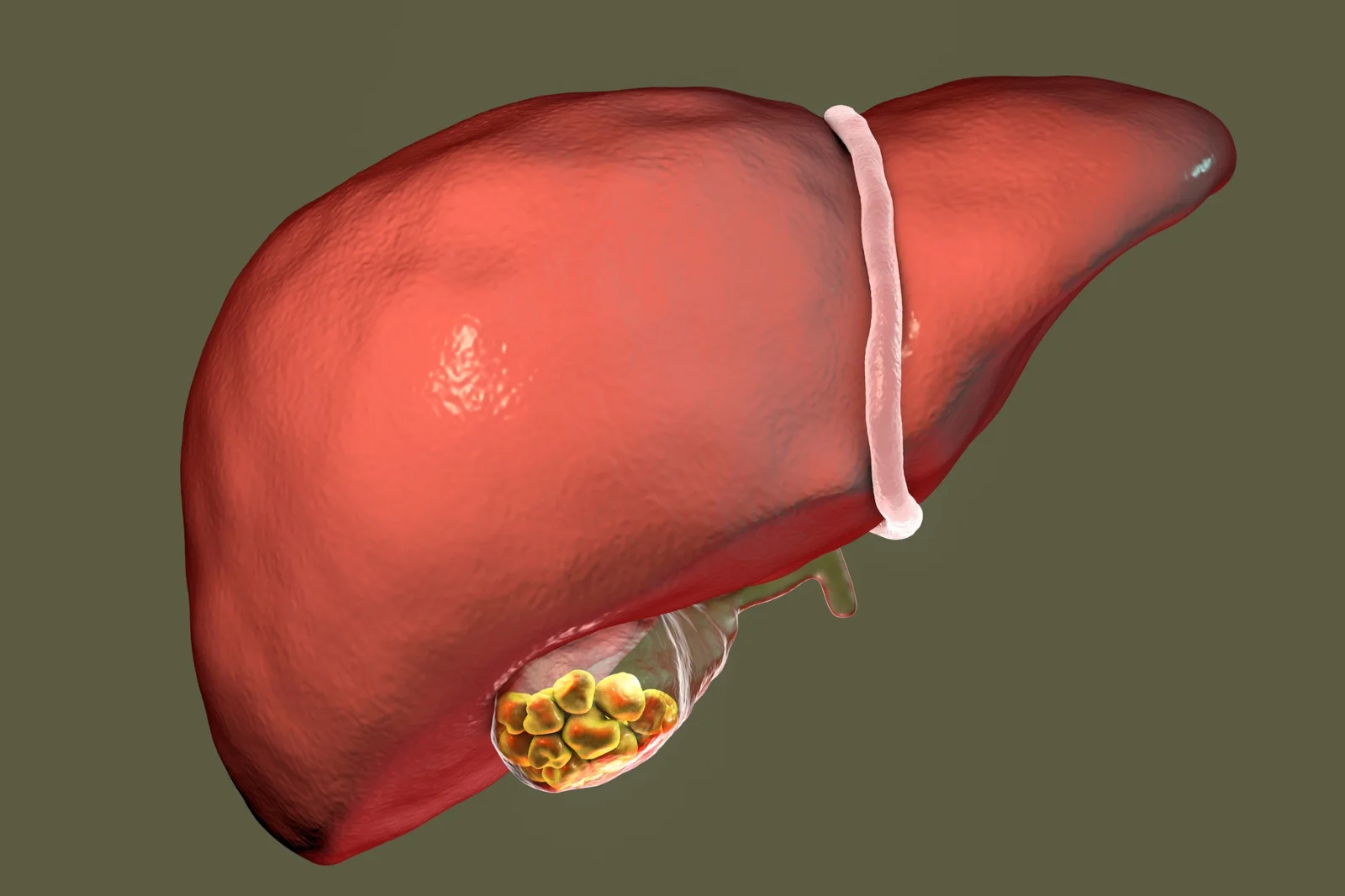
Gallstones are hardened deposits of digestive fluid that form inside the gallbladder — a small organ beneath the responsible for storing bile. They can range from the size of a grain of sand to a golf ball and may exist without symptoms for years — a condition known as silent gallstones.
1. Sudden, Intense Abdominal Pain
The most recognizable gallstone warning sign is a sharp, cramping pain in the upper right or center of the abdomen. This pain — often called a gallbladder attack — can last anywhere from a few minutes to several hours and should never be dismissed as indigestion.
2. Pain That Radiates to the Back or Shoulder
Many patients are surprised to learn that gallstone pain frequently radiates to the right shoulder blade or upper back. This referred pain pattern is a classic symptom of gallbladder disease that is routinely mistaken for a muscle strain or posture-related discomfort.
3. Nausea and Vomiting After Meals
Persistent nausea — especially after consuming fatty or oily foods — is a strong indicator of gallbladder dysfunction. When bile flow is blocked by gallstones, digestion is severely disrupted, triggering nausea, bloating, and vomiting.
4. Indigestion, Bloating, and Gas
Frequent bloating, excessive gas, and a feeling of heaviness after meals are among the most commonly ignored gallstone symptoms. These digestive disturbances are often attributed to acidity or IBS, delaying an accurate diagnosis by months.
5. Jaundice — Yellowing of Skin or Eyes
When a gallstone blocks the bile duct, bilirubin accumulates in the bloodstream causing jaundice — visible yellowing of the skin and eyes. This is a serious sign of gallbladder complications requiring immediate medical attention.
6. Dark Urine and Light-Colored Stools
Just like liver disease, gallstone blockages affect bile flow — resulting in unusually dark urine and pale or clay-colored stools. These changes in bodily waste are critical early indicators of bile duct obstruction that most people overlook.
7. Fever and Chills
A high fever accompanied by chills alongside abdominal pain can indicate acute cholecystitis — inflammation of the gallbladder — or a serious infection caused by an untreated gallstone blockage. This combination demands emergency medical care.
8. Chronic Heartburn and Acid Reflux
Not all gallstone symptoms are dramatic. Persistent heartburn and acid reflux that don’t respond to standard antacids may actually be gallbladder-related symptoms disguised as routine acidity — one of the most misdiagnosed presentations in clinical practice.
When Should You See a Doctor?
If you experience recurring abdominal pain, nausea after fatty meals, or any combination of the above symptoms, do not self-medicate. Early diagnosis through an abdominal ultrasound can detect gallstones before complications like infection, pancreatitis, or bile duct damage develop.
Recommended next steps:
- Abdominal ultrasound scan
- Consult a gastroenterologist immediately
Don’t Wait Until the Pain Becomes Unbearable
Gallstones are highly manageable when detected early — but dangerously complicated when ignored. As Dr. Shankar Zanwar, Mumbai’s trusted Gastroenterologist, advises — “Gallstone disease is predictable and treatable. What makes it dangerous is the delay. If your body is sending you signals, listen to them before a simple stone becomes a surgical emergency.”
A timely diagnosis, dietary adjustments, and appropriate medical intervention can protect you from unnecessary pain and long-term complications.