Liver

Liver

Can Fatty Liver and Alcohol-Related Liver Damage Be Reversed?

Can Fatty Liver and Alcohol-Related Liver Damage Be Reversed? Introduction Liver diseases tend to occur silently without patients realizing anything is amiss until their symptoms begin to affect their normal routine. Liver diseases such as fatty liver disease and alcohol-induced liver damage have become increasingly prevalent among individuals because of poor nutrition, stress, obesity, and overindulgence in alcohol. One of the most frequently asked questions from individuals is, “Is liver damage reversible?” The response to this depends largely on whether the liver damage was detected early enough, as well as the amount of damage done to the organ. Early detection and intervention are key to recovering from the damage done to the liver. Understanding Fatty Liver and Alcohol-Related Liver Damage Fatty liver happens when there is too much fat accumulated in the liver. In addition, alcohol-induced liver disease happens when constant drinking affects the normal functioning of liver cells. Neither of these illnesses may initially present with symptoms. But if they aren’t treated for a long time, they eventually progress to hepatitis, fibrosis, cirrhosis, and even death of the organ. For this reason, it is vital to make a diagnosis at an early stage. People looking for appropriate Fatty Liver Treatment must realize that the liver possesses incredible regenerative powers – provided they are detected in time. Can Liver Damage Really Be Reversed? Yes, in many instances. The liver is one of the few organs in the body that can heal itself. Mild to moderate liver damage often gets better if patients stick to the right treatment plan and make the necessary changes to their lifestyle. People with fatty liver may be able to reduce the fat in their liver by losing weight, changing their diet, and exercising. Similarly, patients with alcoholic liver disease can get better if they stop drinking alcohol completely and treatment begins at the right stage. However, advanced scarring of the liver or cirrhosis may not be entirely reversible. Patients with severe cases may require specialized liver care and long-term monitoring. Signs Your Liver Needs Attention Your liver is very important. It does not always tell you when it is sick. But when your liver gets really damaged, your body will start to tell you something is wrong. Some common things that happen when your liver needs help are: You feel tired all the time. You feel weak You do not want to eat food You have pain. Feel heavy in the upper part of your stomach Your legs or stomach get swollen You feel sick to your stomach. Have trouble with digestion Your eyes or skin turn yellow Consulting a liver specialist in Mumbai early can help detect the condition before it progresses further. Lifestyle Changes for Liver Recovery Lifestyle recovery plays a major role in improving liver health. In fact, small daily changes can make a big difference over time. Important lifestyle changes include: Following a balanced and healthy diet Reducing oily and processed foods Exercising regularly Maintaining a healthy body weight Controlling diabetes and cholesterol Avoiding alcohol completely Patients looking for advanced Alcoholic Liver Disease Treatment are often advised to focus on long-term lifestyle management along with medical care to improve recovery outcomes. Consistency matters more than quick results. Liver recovery takes time, patience, and proper guidance. Why You Need Expert Liver Care Treating liver disease is not just about medicines. It needs proper diagnosis, regular monitoring, lifestyle advice, and personalized treatment planning. Dr Chetan Kalal provides complete liver care with a focus on treatment and prevention to his patients. Whether you are in the early stages of fatty liver management or advanced liver disease care, the goal is always long-term liver protection and improved quality of life. In case of any liver problems, the patient should go for the best liver disease treatment and timely intervention to avoid permanent liver damage. When Advanced Treatment is Needed While early liver damage can often improve, some patients may develop severe liver scarring or cirrhosis if the condition remains untreated for years. In advanced stages, symptoms may become serious and start affecting overall health and quality of life. This is where specialized treatment and careful monitoring become necessary. In some severe cases, liver transplant evaluation may also be considered when the liver is no longer functioning properly. This is why patients should never ignore long-term liver symptoms or delay medical consultation. Choosing proper Fatty Liver Treatment and timely medical care can help reduce the risk of future complications. Why Early Liver Care Should Never Be Delayed Ignoring liver problems can increase the risk of long-term complications. The earlier the condition is diagnosed, the better the chances of recovery and of preventing severe liver damage. With expert guidance from Dr. Chetan Kalal in Mumbai, patients can receive personalized care focused on improving liver health, managing symptoms, and supporting long-term recovery through the right medical and lifestyle approach.

Liver

Can Fatty Liver Disease Lead to a Liver Transplant? What You Need to Know

Can Fatty Liver Disease Lead to a Liver Transplant? What You Need to Know Introduction Many people think of fatty liver as a minor health problem that can be taken care of later on. Since it often develops silently with few early symptoms, patients tend to ignore it until the condition becomes more severe. However, if left untreated, Fatty Liver Disease can lead to progressive liver damage and, in severe cases, may even require a Liver Transplant. With a growing number of people taking on unhealthy eating habits, cases of fatty liver are rising rapidly with obesity, diabetes, and stress. The good news is that early diagnosis and appropriate medical care can manage the condition and avoid long-term damage to the liver. At Dr. Chetan Kalal, patients have access to advanced liver care focused on maintaining liver health and enhancing quality of life. How Fatty Liver Disease Impacts Your Liver Health Fatty liver disease occurs when too much fat starts building up in the liver. Many people may have no obvious symptoms in the early stages, which is why the condition can remain hidden for years. Fatty liver disease has two main types: Steatosis alcohol Non-alcoholic fatty liver disease (NAFLD)  But ignoring the condition can increase the risk of inflammation, scarring of the liver, and serious liver complications over time, whereas mild fatty liver can often improve with lifestyle changes. Can Fatty Liver Become Serious? It can, yes. Many patients are surprised to discover that fatty liver is not always benign.” In some cases, the condition progresses slowly, beginning to damage healthy liver tissue. The liver starts to get scarred and inflamed, so its function starts to diminish. Some common warning signs of worsening liver damage are: Persistent tiredness or weakness Poor appetite Upper abdominal pain or fullness Swelling of the stomach or leg Yellowing of the skin or eyes Understanding the Link Between Fatty Liver Disease and Liver Transplant Many people do not realize that advanced fatty liver disease is now becoming one of the leading causes of severe liver damage. While the condition may start mildly, continuous fat buildup and inflammation can slowly affect the liver permanently. In advanced stages, fatty liver disease can lead to cirrhosis, where healthy liver tissue is replaced by scar tissue. Once the liver becomes severely damaged and stops functioning properly, a Liver Transplant may become necessary. The liver develops advanced cirrhosis. Liver failure occurs Symptoms become severe and affect daily life Other treatment options no longer provide relief That is why it is so important to seek medical attention early on. If treated early, complications and the need for transplant surgery may be avoided later. How Fatty Liver Disease is Diagnosed Early detection is crucial for liver protection. The tests are recommended depending on the patient’s symptoms, history, and liver function. These tests could be: Blood tests Ultrasound or FibroScan CT scans or MRIs Liver biopsy in some cases These tests will show the extent of liver damage and what kind of treatment is required. Treatment Options for Fatty Liver Disease Lifestyle Changes for Early Fatty Liver At this stage, doctors tend to recommend: Eating a balanced diet Engaging in physical exercise Managing diabetes and cholesterol levels Abstaining from alcohol consumption Achieving a healthy body mass index Get Advanced Liver Care For patients with severe liver damage, advanced monitoring and specialized liver treatment become essential. In some cases, transplant evaluation may also be needed for better long-term health outcomes. Patients searching for the Best Fatty Liver Treatment in Mumbai should focus on early treatment and regular liver monitoring to avoid complications in the future. Why Expert Liver Care Is Essential Liver diseases are silent killers that usually go unnoticed. This is why it becomes critical to conduct an assessment to avoid developing irreversible liver complications. With Dr. Chetan Kalal’s guidance, the patient receives custom-tailored treatments according to the liver’s condition and general well-being. Be it treatment for fatty liver or advanced liver diseases, the priority will be on restoring good health and ensuring an improved quality of life. In the case of patients who have liver diseases at an advanced stage, picking the best doctor in Mumbai becomes important. Taking the Right Step for Your Liver Health Fatty liver disease should not be neglected when it persists and becomes worse, as silent damage occurs within your liver. Despite being manageable in certain cases with lifestyle modification, fatty liver damage that becomes severe might necessitate the procedure of liver transplantation. The appropriate diagnosis will play an important role in managing the problem. With professional help from Dr. Chetan Kalal, the patient will be able to get the treatment he needs for his liver care.

Liver

Life After Liver Transplant: Recovery, Diet & Tips for Better Health

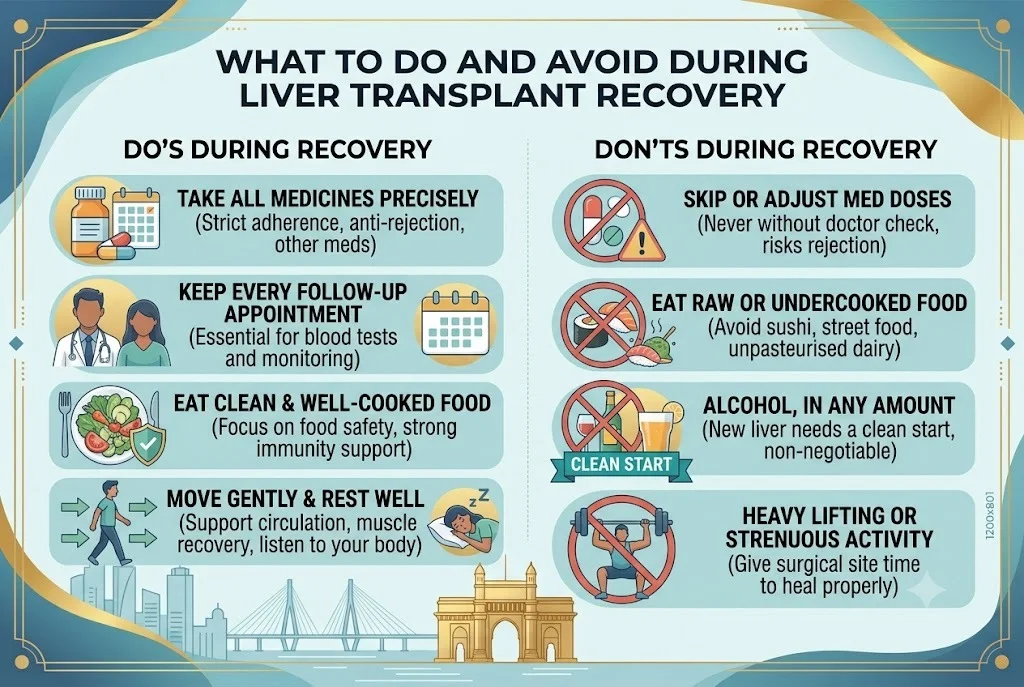
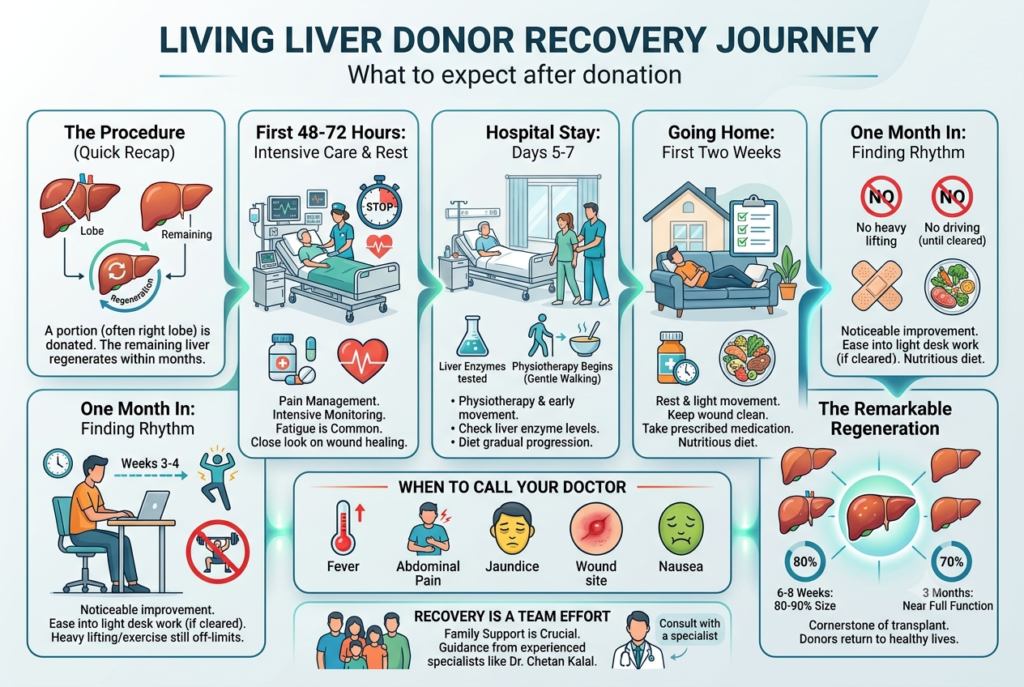
Life After Liver Transplant: Recovery, Diet & Tips for Better Health Introduction A liver transplant is not the end of your journey, it’s a new beginning. For many patients, it brings a second chance at life. But along with this new start comes an important phase: recovery and long-term care. It is absolutely natural to be apprehensive about the future, about how long it may take to recover, about dietary restrictions, and changes that will occur in your lifestyle. Under appropriate guidance and assistance, you can lead an active and healthy life post-transplantation. If you seek high-quality treatment, you should consider approaching the Best Liver Transplant Doctor in Mumbai. What to Expect After a Liver Transplant Recovery after a liver transplant is a gradual process. It doesn’t happen overnight, and every patient’s journey is different. In the beginning, your body needs time to heal and adjust to the new liver. You’ll be on medications, regular monitoring, and follow-ups. Over time, as your strength improves, you’ll slowly return to your daily routine. It comes down to being patient, consistent, and following your healthcare provider’s instructions to a patient. Liver Transplant Recovery Timeline First 1–2 Weeks:You will be under observation in the hospital, where preventing infections and administering medications will be the priorities. 1–3 Months:Your body will become stronger. You keep doing your regular check-ups and slowly get back to your daily routines. 3–6 Months:There will be a huge improvement in your energy. The majority of patients begin living a relatively normal life. More than 6 Months:With proper care, many patients lead a stable and active life. Long-term health management becomes the priority. Diet After Liver Transplant Your diet plays a huge role in recovery. In fact, it becomes your strongest support system after surgery. A balanced diet ensures that your body recovers more quickly and maintains good immunity levels while helping you maintain the health of your new organ. Foods to Include in Your Diet:● Protein foods such as dal, eggs, and lean meat● Fresh fruits and vegetables, which provide immunity to your body● Whole grains, which give you the necessary energy Food to Be Avoided:● Fried and processed foods● High-sugar and high-salt foods● Alcoholic drinks (must be avoided) Additional Suggestions:● Eating smaller portions more often● Drinking lots of water● Eating only home-cooked food Post-Liver Transplant Do’s and Don’ts Doing everything right is very important for sustained success. Do’s:● Take medications as directed by the physician● Follow-up appointments● Good hygiene practices● Physical activity (exercise) Don’ts:● Miss medication dosing● Ignore any unusual signs● Smoking and alcohol intake● Consume poor-quality food All these minor efforts can save you from major issues. Lifestyle Changes for Better Health Living post-transplant surgery treatment needs some changes, but these changes are easy to make. Some of these include:● Following a set routine● Ensuring adequate rest and sleep● Exercising regularly with exercises such as walking● Stress management through relaxation We don’t limit our efforts to only providing treatment. Our goal is to achieve holistic recovery, both physical and psychological. Emotional Recovery Matters Too Recovery is not just physical, it’s emotional as well. Many patients experience anxiety, fear, or even stress after surgery. This is completely normal. What helps is: ● Support from family and loved ones● Staying positive and patient● Talking to your doctor about any concerns Remember, you’re not alone in this journey. Tips for Long-Term Care to Stay Healthy Successful treatment of liver disease does not end after recovery; it requires continuous care for the coming years. ● Get periodic check-ups● Maintain consistent monitoring of your liver● Prevent infection and keep yourself clean● Follow healthy living principles regularly With professional help from experts such as Dr. Chetan Kalal from GastroMumbai, the treatment of liver transplantation can bring about good results in the form of long-lasting health. Conclusion Liver transplantation after surgery requires patience and dedication to achieve desired results in a short period of time. Though the process might seem difficult, proper care and a healthy lifestyle will help you become healthier in the near future. Under the supervision of Dr. Chetan Kalal of GastroMumbai, you can take a step towards having a productive, happy, and healthy future.

Liver

Dr. Chetan Kalal Honoured with the Prestigious Dadasaheb Phalke Award 2025 for Excellence in Hepatology

Dr. Chetan Kalal Honoured with the Prestigious Dadasaheb Phalke Award 2025 for Excellence in Hepatology Introduction Dr. Chetan Kalal is widely recognized as the Best Hepatologist in Mumbai, known for his expertise in diagnosing and treating complex liver diseases. With years of experience and a strong commitment to advanced liver care, he has helped many patients achieve better health outcomes. In recognition of his outstanding contribution to hepatology, he has been honoured with the prestigious Dadasaheb Phalke Award in 2025, highlighting his excellence and dedication to improving liver health. However, the IVF process can often feel overwhelming without the right guidance. This step-by-step blog aims to simplify the journey, helping you understand what to expect while preparing both emotionally and physically for IVF treatment. Recognition with the Dadasaheb Phalke Award 2025 Being honoured with the Dadasaheb Phalke Award 2025 is a moment of pride not only for Dr. Kalal but also for the medical community. The award recognizes professionals who have demonstrated outstanding excellence and dedication in their respective fields. For Dr. Chetan Kalal, this honour represents his commitment to advancing hepatology and improving treatment options for patients suffering from liver diseases. This recognition highlights several key contributions: Excellence in Hepatology Dr. Kalal has played an important role in providing specialized treatment for various liver disorders, helping patients receive accurate diagnoses and effective treatment. Dedication to Patient Care His approach focuses on personalized care, ensuring that every patient receives the most suitable treatment plan according to their condition. Advancement in Liver Disease TreatmentBy using modern medical techniques and evidence-based treatment methods, he continues to improve outcomes for patients dealing with chronic and complex liver conditions. First DM Hepatologist of Maharashtra Another major achievement in Dr. Chetan Kalal’s professional journey is that he is the first DM Hepatologist of Maharashtra. This distinction reflects his advanced specialization and commitment to gaining deeper expertise in liver diseases. His academic journey and training have equipped him with the knowledge required to manage complex liver conditions, including liver failure and transplant-related care. Key highlights of his expertise include: Advanced Medical Training He completed his DM in Hepatology from a reputed institute, gaining specialized knowledge in liver and biliary diseases. Expertise in Complex Liver Disorders His clinical experience allows him to diagnose and treat a wide range of liver conditions, from fatty liver disease to advanced cirrhosis. Focus on Early Diagnosis Early detection plays a crucial role in successful liver treatment, and Dr. Kalal emphasizes timely evaluation and proper medical guidance for patients. Contributions to Liver Research and Medical Advancements Apart from clinical practice, Dr. Kalal has also contributed significantly to research and academic development in hepatology. His work has helped expand medical understanding of liver diseases and their treatment. Some of his contributions include: Research Publications He has published several research papers in national and international medical journals related to hepatology and liver disease management. Participation in Medical Conferences Dr. Kalal regularly participates in global medical conferences where he shares insights and research findings with the international medical community. Advancing Awareness of Liver DiseasesThrough educational initiatives and medical discussions, he helps raise awareness about the importance of liver health and early treatment. Commitment to Better Liver Health What truly distinguishes Dr. Chetan is his patient-focused approach. His goal is not only to treat liver diseases but also to help patients maintain long-term liver health through proper medical guidance, lifestyle recommendations, and preventive care. His approach includes: Comprehensive evaluation of liver conditions Personalized treatment plans for each patient Focus on long-term disease management Guidance on lifestyle and diet for better liver health Conclusion Receiving the Dadasaheb Phalke Award 2025 is a proud recognition of the dedication and excellence shown by Dr. Chetan Kalal in the field of hepatology. His journey as the first DM Hepatologist of Maharashtra, along with his contributions to patient care, research, and medical advancement, highlights his commitment to improving liver health. Through continuous innovation, clinical expertise, and compassionate patient care, Dr. Kalal continues to make a meaningful impact in the field of hepatology and remains a trusted name for advanced liver care. Women who have undergone 3D laparoscopic procedures often report more satisfaction with their results, whether it is relief from painful symptoms, preserved fertility, or simply confidence that they have taken better care of their health with the most advanced care.

Scroll to Top
Name
BOOK APPOINTMENT WITH