GI

GI

How Can You Take Control of Irritable Bowel Syndrome? 5 Self-Care Tips

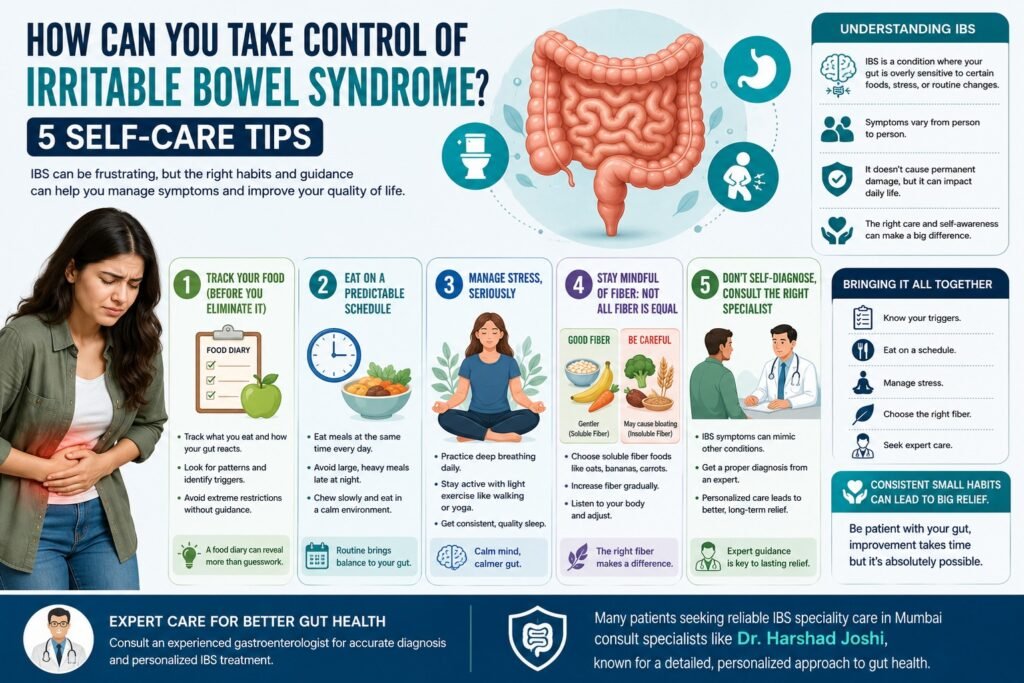
How Can You Take Control of Irritable Bowel Syndrome? 5 Self-Care Tips Introduction If your stomach seems to have a mind of its own, bloating after meals, sudden cramps, or trips to the bathroom that just won’t wait, you’re not alone. This is the daily reality for millions of people living with Irritable Bowel Syndrome, or IBS. Here’s the good news: IBS isn’t something you just have to “live with” helplessly. While it doesn’t have a permanent cure, the right IBS treatment approach, combined with a few consistent lifestyle habits, can make symptoms far more manageable, sometimes even rare. Let’s talk about what actually helps. First, What Exactly Is IBS? In simple terms, IBS is a condition where your gut becomes overly sensitive. Your digestive system works fine structurally; there’s no damage or disease, but it reacts strongly to things that wouldn’t normally cause a problem: certain foods, stress, hormonal shifts, or even changes in routine. That’s why two people with IBS can have completely different triggers. One person’s “safe” food might set off another person’s symptoms entirely. Because of this variability, self-care plays a huge role in managing IBS day-to-day, alongside proper medical guidance. 5 Self-Care Tips That Actually Make a Difference 1. Track Your Food (Before You Eliminate It) Before cutting out entire food groups, spend two to three weeks simply noting what you eat and how your gut reacts afterward. Keep a simple diary: meals, timing, and symptoms. Look for patterns; common triggers include dairy, fried foods, caffeine, and artificial sweeteners. Avoid extreme restriction without guidance; it can lead to nutrient gaps This step alone helps many people identify their personal triggers faster than guessing ever could. 2. Eat on a Predictable Schedule Your gut loves routine. Irregular eating times, skipping meals, or eating very late at night can confuse your digestive rhythm and worsen symptoms. Try to: Eat meals around the same time daily Avoid large, heavy meals late in the evening Chew slowly and avoid eating while stressed or distracted Small, consistent habits here often bring noticeably calmer digestion within a few weeks. 3. Manage Stress, Seriously Here’s something a lot of people don’t realize: your gut and brain are directly connected. Stress doesn’t just affect your mood, it can trigger real, physical IBS flare-ups. Simple stress-management habits that help: Deep breathing for 5-10 minutes daily Regular light exercise like walking or yoga Getting consistent, quality sleep You don’t need to eliminate stress, just manage it enough that it isn’t constantly triggering your gut. 4. Stay Mindful of Fiber: Not All Fiber Is Equal Fiber is often recommended for gut health, but with IBS, the type of fiber matters more than the amount. Soluble fiber (oats, bananas, carrots) tends to be gentler on the gut Insoluble fiber (raw vegetables, whole grain skins) can sometimes worsen bloating for sensitive individuals Increase fiber gradually; sudden jumps can backfire A slow, thoughtful approach here works better than rushing into “high-fiber diets” overnight. 5. Don’t Self-Diagnose, Consult the Right Specialist This might be the most important tip of all. IBS symptoms can overlap with other conditions, so getting a proper diagnosis matters before assuming it’s “just IBS.” Consulting an experienced gastroenterologist ensures your treatment plan is actually built around your specific triggers and symptom pattern, not generic advice found online. Many patients seeking reliable IBS speciality care in Mumbai consult specialists like Dr. Harshad Joshi, known for taking a detailed, personalized approach to gut health, looking beyond just symptoms to understand the root cause behind each patient’s IBS. Bringing It All Together Managing IBS isn’t about one single fix; it’s about consistency across small habits: knowing your triggers, eating on a schedule, managing stress, choosing the right fiber, and getting expert guidance when symptoms persist. With the right combination of self-care and proper IBS treatment, most people find their symptoms become far more predictable and far less disruptive to daily life. Give your gut some patience. Real improvement usually builds gradually, not overnight, but it does build.

GI

Can IBS Go Away Permanently? What You Should Know

Can IBS Go Away Permanently? What You Should Know Introduction If you’ve been dealing with a stomach that never seems to settle down, bloating one day, cramping the next, and a bathroom routine that keeps changing, you may have already heard the term IBS. And if you’ve been told you have it, the first question on your mind is probably the same one everyone asks: does it ever really go away? Let’s break this down in plain terms, along with what IBS Treatment in Mumbai actually looks like in practice. What Exactly Is IBS? IBS stands for Irritable Bowel Syndrome. In simple words, it’s a condition where your gut becomes more sensitive and reactive than usual. It’s not caused by damage or disease inside the intestines; scans and tests usually come back normal, but the gut still behaves unpredictably, causing discomfort, bloating, and irregular bowel habits. Why Does IBS Happen? There’s rarely one single cause. Instead, it’s usually a mix of factors working together: Stress and anxiety – The gut and brain are closely connected, so emotional stress often shows up as physical gut symptoms. Food triggers – Certain foods, like very oily meals, caffeine, or specific carbs, can set off symptoms in some people. Gut bacteria imbalance – The natural bacteria living in your intestines play a bigger role in digestion than most people realise. Past infections – Sometimes IBS symptoms begin after a bout of food poisoning or a stomach infection. So, Can IBS Actually Go Away? Here’s the honest answer: for many people, IBS isn’t something that disappears overnight, but it can absolutely go into long stretches of remission where symptoms barely show up at all. Some people find that once they identify their specific triggers and adjust their routine, the flare-ups become rare, mild, or stop altogether for years. It’s less about a one-time cure and more about learning what keeps your gut calm. And that’s genuinely good news, because it means you have real control over how you feel day to day. What Helps Most People When it comes to IBS Treatment in Mumbai, doctors usually recommend a combination approach rather than a single fix: Dietary adjustments – Identifying and reducing trigger foods, often with the help of a structured elimination approach. Stress management – Simple practices like walking, breathing exercises, or better sleep can noticeably reduce flare-ups. Medication when needed – for symptom relief during difficult phases, based on whether diarrhoea, constipation, or cramping is more dominant. Probiotics – Some people find relief by supporting healthy gut bacteria, though this varies from person to person. Dr. Shankar Zanwar often points out that IBS management works best when it’s personalized to the individual; what calms one person’s gut may not work for another, which is why guesswork rarely helps in the long run. When Should You See a Doctor? Not every stomach upset needs a specialist, but certain signs are worth getting checked: Symptoms lasting more than a few weeks Unexplained weight loss Blood in stool Symptoms that disrupt daily life or sleep Dr. Shankar Zanwar recommends getting a proper evaluation before assuming it’s “just IBS,” since a few other gut conditions can mimic similar symptoms and are worth ruling out first. Everyday Habits That Make a Real Difference Eat meals at consistent times instead of skipping and overeating later. Keep a simple food and symptom diary to spot your personal triggers. Stay hydrated and don’t rush meals. Build in some form of daily movement, even a short walk helps. IBS can feel frustrating, especially on bad days, but it’s rarely something you have to just live with silently. With the right guidance and a bit of patience, most people find a rhythm where the gut settles down and stays that way for long periods.

GI

What’s the Best First Treatment to Try for IBS?

What’s the Best First Treatment to Try for IBS? Introduction If your stomach has been giving you trouble for a while — bloating, cramps, unpredictable bathroom trips — and your doctor has told you it’s IBS, you’re probably wondering: where do I even start with treatment? Irritable Bowel Syndrome, or IBS, affects millions of people across India, and it can feel frustrating to manage because it looks different in every person. But here’s the reassuring part: IBS is very much treatable, and most people find significant relief once they identify the right approach for their body. Let’s break down the best steps in IBS treatment in simple terms. Start With the Basics: Understanding Your Triggers Before any medication or therapy, the single most powerful first step is figuring out what’s making your symptoms flare up. Common IBS triggers include: Certain foods like dairy, fried items, or spicy meals Irregular eating habits or skipping meals Stress and anxiety Caffeine and alcohol Eating too fast Keeping a simple food and symptom diary for two to three weeks can reveal patterns you might never have noticed. It doesn’t have to be complicated; just jot down what you ate and how your stomach responded. Dietary Changes: The First Line of Defence Diet is almost always the first thing doctors recommend in IBS treatment, and for good reason. What you eat directly affects how your gut behaves. The Low-FODMAP Diet is one of the most researched dietary approaches for IBS. FODMAPs are certain types of carbohydrates found in foods like onions, garlic, wheat, and some fruits that the gut finds hard to digest. Reducing these has helped many IBS patients feel noticeably better. Other helpful dietary habits include: Eating at regular times every day Drinking enough water throughout the day Choosing smaller, more frequent meals over large ones Increasing fibre slowly, especially soluble fibre found in oats and bananas It’s worth noting that dietary changes need a few weeks to show results, so patience is key. Stress Management: More Important Than You Think The gut and the brain are deeply connected, doctors call this the gut-brain axis. For IBS patients, emotional stress doesn’t just affect their mood. It directly triggers physical symptoms like cramping, bloating, and altered bowel habits. This is why stress management isn’t optional, it’s a core part of IBS treatment. Simple approaches that genuinely help: Regular walks or light exercise Deep breathing or meditation, even 10 minutes a day Good sleep habits Reducing screen time before bed If anxiety or stress feels persistent and overwhelming, speaking to a mental health professional alongside your gastroenterologist can make a real difference. Medications: When Lifestyle Changes Need Support Sometimes diet and stress management alone aren’t enough, and that’s perfectly okay. Depending on whether your IBS leans towards constipation, diarrhoea, or a mix of both, doctors may recommend: Antispasmodics — medicines that relax the gut muscles and reduce cramping Laxatives — for IBS with constipation (the mild, gut-friendly kind) Anti-diarrhoeal medicines — to slow down bowel movements when needed Low-dose antidepressants — not for depression, but because they help calm overactive nerve signals in the gut Probiotics — live bacteria that help restore balance in the gut microbiome No two IBS patients need the same combination, which is why a proper evaluation by a gastroenterologist is so important before starting any medication. Don’t Try to Manage IBS Alone This is a point Dr. Harshad Joshi, a gastroenterologist with considerable experience in managing gut disorders, consistently emphasises — self-diagnosis and self-medication often delay effective treatment and sometimes make symptoms worse. Getting a proper diagnosis, ruling out other conditions, and having a structured treatment plan tailored to your specific type of IBS is always the smarter path. Give It Time, Be Consistent IBS treatment rarely works overnight. The most effective approach is usually a combination — dietary changes, stress reduction, and targeted medication when needed — applied consistently over weeks and months. Track your progress, communicate openly with your doctor, and don’t be discouraged by setbacks. Many people in Mumbai and across India go from daily discomfort to living completely normal, comfortable lives once they find the right treatment rhythm. Your gut deserves proper attention, and so do you.

GI

What Your Acidity Could Be Telling You About GERD – And Why Treatment Matters

What Your Acidity Could Be Telling You About GERD – And Why Treatment Matters Introduction Almost everyone experiences acidity problems occasionally due to consuming spicy foods or overeating. However, if you keep facing the problem of acidity frequently or even have a chest burning sensation, then you should know that it could be an indication of GERD, which is a serious issue.  Many patients continue taking temporary remedies without understanding the actual cause behind their symptoms. Seeking timely Best GERD Treatment in Mumbai can help control symptoms early and prevent long-term complications. Why Acidity Should Not Be Ignored Acidity is often considered a minor issue that does not require serious attention by many individuals who continue taking antacids to get relief from their symptoms temporarily. In certain cases, acid problems might point out that there is something more serious going on with one’s digestion that requires attention from a professional. Repeated problems with acid can influence your life negatively. What Your Frequent Acidity Could Be Indicating Feeling Acidic After Almost Every Meal If you get burning or discomfort often after eating, it could mean you have reflux all the time, not just occasional heartburn. This means your digestive system needs a doctor’s check-up. Acidic at Night or Sleep Disturbed When acidity gets worse when you lie down, it can ruin your sleep and cause discomfort. This happens because stomach acid moves up easily when you’re flat on your back. Relying on Antacids for Quick Relief Lots of people take over-the-counter medicines for relief without finding out the real reason. If acidity comes back after the medicine stops working, it could mean you have a term digestive issue that needs treatment. Uncomfortable After Eating Spicy or Greasy Food If you notice you’re sensitive to foods, it might be because you have acid reflux often. If you feel uncomfortable after eating meals, it could mean your digestive tract is getting irritated over time. • Acidity Along With Bloating or Burping If you feel bloated, burp a lot,ot or feel heavy after meals, it might be because your digestion isn’t working right. People often ignore these symptoms at first. They can get worse over time. Long-Term Acidity Needs Attention Don’t ignore discomfort that lasts for months or years. We can help you find out what triggers it, make your digestive health better, and give you long-term relief from symptoms. Why Ignoring GERD Can Be Risky Untreated GERD can gradually damage the lining of the food pipe because of continuous acid exposure. Over time, this may lead to inflammation, ulcers, narrowing of the esophagus, or a condition called Barrett’s esophagus, which increases the risk of serious complications. This is why repeated acidity should never be ignored, especially when symptoms become frequent or start affecting daily life. Consulting a qualified GERD Specialist early can help identify the root cause and prevent the condition from worsening. Who Is More Likely to Develop GERD? Certain lifestyle habits and medical conditions can increase the chances of GERD. Common risk factors include: Obesity Smoking Excessive tea or coffee intake Eating spicy or oily foods regularly Stress and irregular eating habits Late-night meals Pregnancy Sedentary lifestyle People with chronic acidity often assume it is “normal,” but persistent symptoms usually indicate an underlying digestive issue that requires proper evaluation. Key Treatment Strategies for GERD GERD treatment usually depends on the severity of symptoms and the underlying cause. In many cases, a combination of medications and lifestyle changes can provide significant relief. Common treatment approaches include: Acid-controlling medications Dietary modifications Weight management Avoiding trigger foods Improving meal timing Reducing stress Sleeping with head elevation For patients with severe or long-standing GERD, further investigations may be required to assess the condition properly. Prevention Tips to Reduce Acidity and GERD Symptoms Simple lifestyle adjustments can help control acid reflux and improve digestive health. Helpful prevention tips: Avoid overeating Eat smaller meals Do not lie down immediately after eating Limit spicy and fried foods Reduce caffeine and alcohol intake Maintain a healthy body weight Stay physically active When Should You Consult a Specialist? If acidity is happening frequently, disturbing sleep, or not improving with basic medications, it is important to seek medical advice. Long-term self-medication may temporarily suppress symptoms without treating the actual problem. Dr. Harshad Joshi specializes in diagnosing and managing digestive disorders with personalized treatment approaches based on each patient’s condition and symptoms.

GI

How Stress Can Trigger IBS Symptoms and Gut Health Problems

How Stress Can Trigger IBS Symptoms and Gut Health Problems Introduction Many people with IBS have noticed a common pattern: symptoms often exacerbate during stressful times. Whether it’s work pressure, lack of sleep, anxiety, or emotional stress, the gut reacts faster than we expect. Maybe you’ve been there yourself. You may suddenly develop symptoms like bloating, stomach cramps, diarrhoea, or constipation just before a big meeting, or during a stressful week. Stress and digestion are very real and are closely related to what doctors call the gut-brain connection. According to IBS specialists, studies have found that stress can exacerbate IBS symptoms by affecting how the gut functions, how sensitive it is, and how it digests food. What is IBS and Gut Health? Many people suffer from a condition known as IBS or irritable bowel syndrome. It gives you bad stomach trouble that comes back. IBS does not permanently damage the intestines. It can be very hard in everyday life and affect your overall well-being. Some common symptoms of IBS are: Abdominal Pain Feeling bloated, a lot of gas Diarrhoea or constipation; The feeling that your bowels have not been fully evacuated Digestive upset that occurs soon after feeling stressed or eating certain foods How Stress Affects Digestion Stress affects a whole lot more than your mood. Stress can activate your body’s “fight-or-flight” response, which may upset your digestion and bathroom habits. Stress, doctors say, can change how quickly food passes through your body, make your stomach more sensitive to certain foods, and even affect the healthy bacteria in your gut. This can cause symptoms such as bloating, stomach pain, diarrhoea, and constipation, often associated with IBS. If these problems occur frequently, getting IBS treatment in Mumbai can help you manage symptoms and improve your gut health. Stress can also do these things to your body: Increase how sensitive your gut is Give you stomach cramps Affect how hungry you are and how well you digest food Make your IBS symptoms worse if you already have them The Gut-Brain Connection Explained The digestive system and brain are always talking to each other through nerves, hormones, and chemical signals. This communication system is known as the gut-brain axis. Studies indicate that people with IBS often have a more sensitive digestive system – the gut reacts more strongly when stressed emotionally. The reason is: Anxiety can lead to stomach upset Stress can exacerbate bloating or bowel changes. Gut health and emotional health are very closely related. Many patients are frustrated by the unpredictable nature of IBS symptoms. But the gut-brain connection explains why symptoms can flare up even without big changes in diet. Lifestyle Tips for IBS Management Managing IBS usually requires more than medicines alone. Lifestyle improvement and stress control play a major role in reducing flare-ups and improving gut health. Helpful lifestyle changes include: Eating meals on time Avoiding excessive oily and processed foods Staying physically active Improving sleep quality Practicing stress management techniques like meditation or deep breathing Identifying personal food triggers Many patients also notice improvement when they maintain a regular daily routine and reduce emotional stress levels. Under the guidance of Dr. Harshad Joshi, patients receive personalized care focused on symptom control, digestive balance, and long-term IBS management. When Should You See an IBS Specialist? Digestive problems cannot be serious, but never ignore them when you are suffering from frequent IBS symptoms. You should consult an IBS specialist if: Symptoms continue for weeks or months Frequently experienced stomach pain Bloating impacts daily life Changes in bowel habits Stress is a regular symptom of digestive upset An early diagnosis can eliminate other digestive conditions and provide treatment before the symptoms get worse. If you are looking for IBS Treatment in Mumbai, opt for long-term digestive care rather than short-term symptom relief.  GERD treatment varies according to the severity of your symptoms. We ensure that your treatment plan is personalized. These simple adjustments can have a significant impact:● Avoiding trigger foods● Eating smaller meals● Not lying down straight after meals● Maintaining a healthy weight The Importance of Treating IBS Early Living with IBS can be both physically and emotionally draining, especially when stress consistently triggers symptoms. However, with the right treatment, lifestyle advice, and stress management approach, many patients can successfully control symptoms and improve their quality of life. Under the expert care of Dr. Harshad Joshi in Mumbai, patients receive complete digestive care to identify triggers, improve gut health, and help patients feel comfortable and confident again.

GI

GERD Treatment: How to Control Acid Reflux Permanently with Expert Care

GERD Treatment: How to Control Acid Reflux Permanently with Expert Care Introduction Have you ever experienced a burning feeling in your chest right after eating? Do you suffer from regular acidity issues? It’s quite common to ignore such feelings, considering them merely “gas problems.” However, if they persist, there might be a serious underlying condition- GERD (Gastroesophageal Reflux Disease). While GERD is a severe disease with multiple symptoms, it can be controlled and cured through proper medical guidance. Are you looking for the best GERD treatment in Mumbai? You may try expert medical help available at GastroMumbai. What is GERD? GERD refers to a medical disorder in which there is a frequent backing up of the stomach acid into the pipe carrying food down into the stomach. Unlike normal acidity, which happens sporadically, GERD is chronic. Therefore, it is an ailment that will keep recurring until it is diagnosed and treated. Common Symptoms of GERD The signs of GERD can differ for each individual; however, some common symptoms may include: ● Heartburn: Painful burning feeling in your chest area● Acid reflux: Sour or bitter taste in the mouth● Chest pain: Often mistaken for heart attack pain● Difficult swallowing: The feeling of food being stuck in your throat● Persistent coughing: Occurring mainly in the nighttime hours All of the above are indicators that you should pay attention to. Causes of Acid Reflux GERD does not occur without a cause. The following are some of the common causes of GERD. Lifestyle-related causes:● Eating spicy, oily, or heavy meals● Late-night eating habits● Being overweight● Smoking or alcohol consumption● Lack of physical activity Medical causes:● Weak lower esophageal sphincter (LES)● Hiatal hernia● Certain medications Understanding the cause is the first step toward effective treatment. When Should You See a GERD Specialist? Many individuals opt for home remedies and OTC medicines; however, such options may not be very effective in the long run. Consulting an expert becomes necessary when you:● Experience acidity more than twice or thrice a week● Have no improvement in symptoms● Are unable to sleep due to acidity● Depend on medicines regularly Early diagnosis by a specialist is beneficial for identifying the underlying cause of the condition before it gets worse. Rather than looking at ways to relieve oneself using ineffective solutions, an accurate diagnosis will be able to help find ways to tackle the issue effectively. GERD Treatment Options GERD treatment varies according to the severity of your symptoms. We ensure that your treatment plan is personalized. These simple adjustments can have a significant impact:● Avoiding trigger foods● Eating smaller meals● Not lying down straight after meals● Maintaining a healthy weight Medications Your doctor will likely recommend:● Antacids to provide immediate relief● PPIs to cut down acid production● H2 blockers Advanced Treatment Options Sometimes, advanced treatment might be necessary:● Endoscopy for accurate diagnosis● Minimally invasive surgery How to Cure GERD Permanently Are you fed up with taking antacid drugs again and again? Then, most probably, you might be thinking, “Is there any possibility of permanently curing GERD?” The answer is clear: GERD does not disappear all of a sudden, but yes, it can be cured permanently with some steps. To permanently manage GERD, it is important to address the underlying causes. These include: ● Leading a healthy lifestyle: Eating regularly, controlling diet, and exercising regularly● Maintaining proper weight: Even reducing a few pounds of weight might reduce the symptoms● Avoiding night food: Provide enough time to your body for digestion● Controlling stress: It may aggravate the condition● Consulting the doctor: Never try to self-treat At Gastromumbai, under the expert guidance of Dr. Harshad Joshi, patients are provided with an exclusive program for getting permanent relief from the symptoms. How to Control Acid Reflux Daily Managing GERD doesn’t have to be complicated. With the right GERD treatment in Mumbai, simple daily habits can help you stay comfortable every day: ● Eat smaller, more frequent meals● Avoid lying down right after eating● Keep your head elevated while sleeping● Limit caffeine and spicy food● Stay hydrated These small steps, when followed regularly, can make a noticeable difference. Why GastroMumbai is a Better Option for Treating GERD Digestive problems such as GERD require expertise, proper diagnosis, and effective treatment. When you choose us for treating GERD, you will be under the supervision of a specialist who is well aware of its root causes. We will use the latest technologies to diagnose your health condition and provide proper treatment. In general, he is more focused on helping his patients get rid of GERD completely. Conclusion Although GERD can begin as a small problem, its prolonged impact can result in serious complications and negative consequences. Fortunately, you can take appropriate measures to reduce the risk of suffering from this disease in the future. If you have some complaints about your stomach or experience frequent acid reflux and acidity, visiting a gastroenterologist is recommended. Dr. Harshad Joshi will help you treat this problem successfully.

Scroll to Top